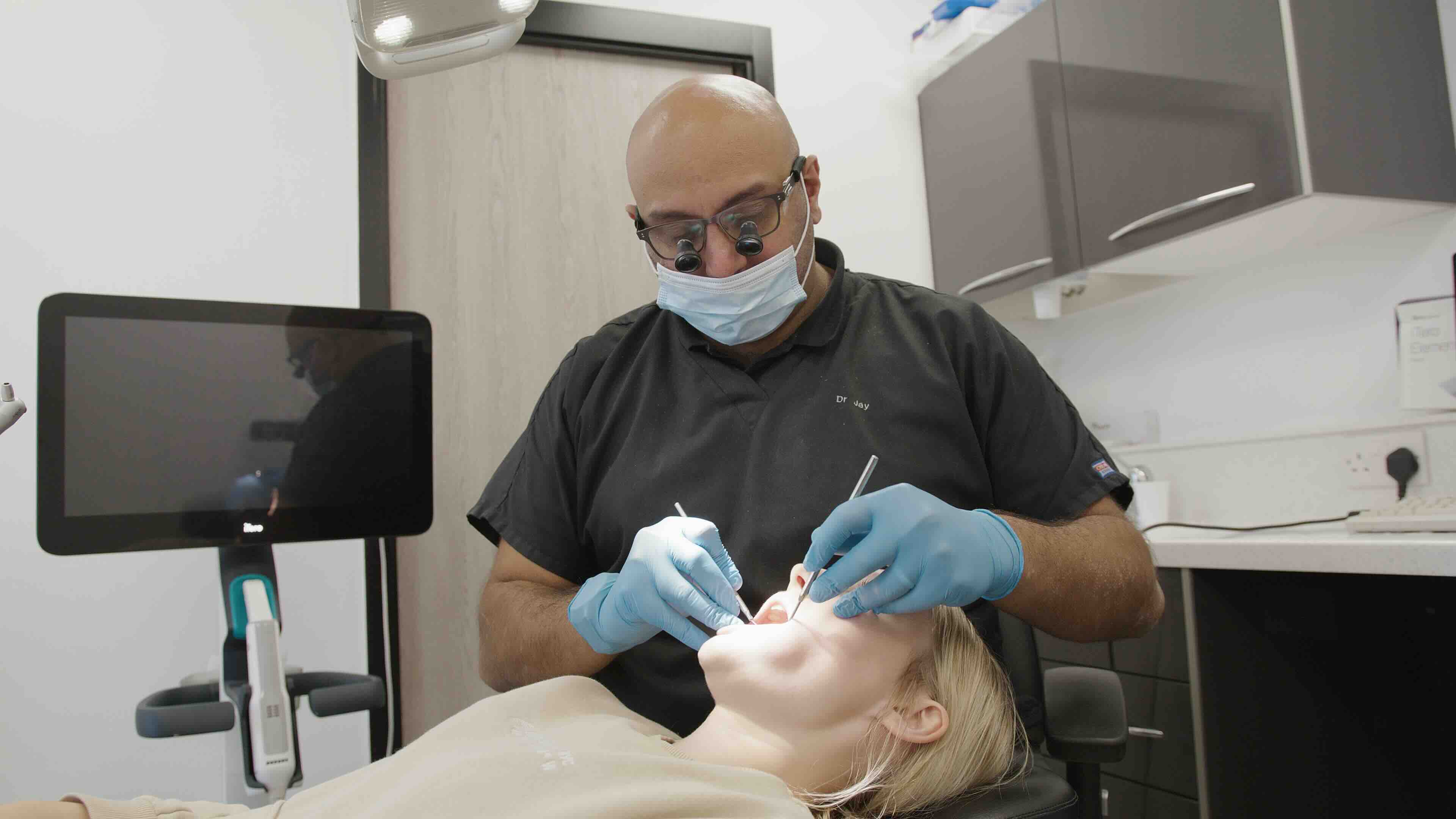
Missing teeth can affect far more than your appearance. They can change how you eat, how you speak, and how confident you feel day to day. For many patients in Llanelli and across South Wales, dental implants are one of the most reliable long-term solutions available.
This guide explains everything you need to know — from how implants work to whether you are a suitable candidate — so you can make an informed decision.
Dental implants are artificial tooth roots made from titanium, placed into the jawbone to support a replacement tooth. They are designed to function, feel, and look like natural teeth.
Unlike removable options, implants are fixed in place and help maintain the structure of your jaw over time.
They are commonly used to:
- Replace a single missing tooth
- Support multiple missing teeth
- Stabilise loose dentures
Dental implants rely on a biological process called osseointegration. This is where the implant bonds with your jawbone, creating a stable foundation.
Over a period of typically 3–6 months, the implant integrates with the bone, allowing it to support a crown or bridge under normal biting forces.
Dental implants are carried out in stages to ensure long-term success.
The process typically includes:
- Assessment and planning
- Implant placement
- Healing and bone integration
- Final restoration (crown, bridge, or denture)
In our Llanelli clinic, the assessment phase is led by a Consultant Specialist in Restorative Dentistry. This ensures planning considers your bone structure, bite, and long-term oral health — not just the missing tooth.
The full process usually takes several months depending on healing.
Many patients are suitable for implants, even if they have been told otherwise in the past.
You may be a good candidate if you:
- Have one or more missing teeth
- Have healthy gums
- Have sufficient bone support
- Are generally in good health
Factors that may affect suitability include smoking, uncontrolled diabetes, or active gum disease — all of which can often be managed with proper planning.
Implants are often compared with bridges and dentures.
Key differences include:
- Implants do not rely on neighbouring teeth
- They help preserve jawbone structure
- They are designed for long-term durability
Bridges and dentures may still be appropriate depending on your situation, which is why a full assessment is essential.
Cost varies depending on your clinical situation.
Factors include:
- Number of implants needed
- Bone condition
- Additional procedures (e.g. grafting)
- Type of restoration
In the UK, a single implant can vary widely in price depending on complexity. Many patients focus not just on upfront cost, but long-term value.
When considering cost, many patients look for ways to spread the investment. Many private practices across South Wales offer interest-free finance options to make treatment more manageable.
Recovery is usually straightforward.
- First 48 hours: mild swelling or discomfort
- First week: soft diet recommended
- Healing phase: 3–6 months for integration
Avoid smoking and follow aftercare advice to support healing.
Dental implants are designed to last many years — often decades with proper care.
Longevity depends on:
- Oral hygiene
- Regular dental visits
- Lifestyle factors (e.g. smoking)
Do dental implants hurt?
Treatment is carried out under local anaesthetic. Mild discomfort afterwards is normal.
How long does treatment take?
Typically several months due to healing time.
Can implants fail?
They have a high success rate, but risks exist. Proper care reduces these significantly.
Can smokers get implants?
Yes, but smoking can affect healing and success rates.
Are implants safe?
Yes. They are a well-established, evidence-based treatment.
Are they better than dentures?
They often provide greater stability, but suitability varies.
If you are:
- Missing one or more teeth
- Struggling with dentures
- Exploring long-term solutions
…it is worth having a professional assessment.
If you are considering implants, the best next step is an educational consultation to assess your suitability, including your bone structure and oral health.
→ Learn more about how we approach dental implants at Lotus Dental Studio
Reviewed by Khawaja Jawad Fariduddin, BDS | Lotus Dental Studio