Reviewed by Khawaja Jawad Fariduddin, BDS | Lotus Dental Studio
Reading time: 6 minutes
Gum disease is one of the most common dental problems, and one of the most overlooked. It often starts quietly, with symptoms easy to dismiss, and left untreated it can progress to something far more serious than sore gums. Here's what to look for, what causes it, and how it's treated.
What Is Gum Disease?
Gum disease is an infection of the tissues that support your teeth, caused by a build-up of plaque along the gumline. It progresses in stages, starting as gingivitis and, if untreated, advancing to periodontitis, which affects the bone and tissue holding your teeth in place.
Early Signs: Gingivitis
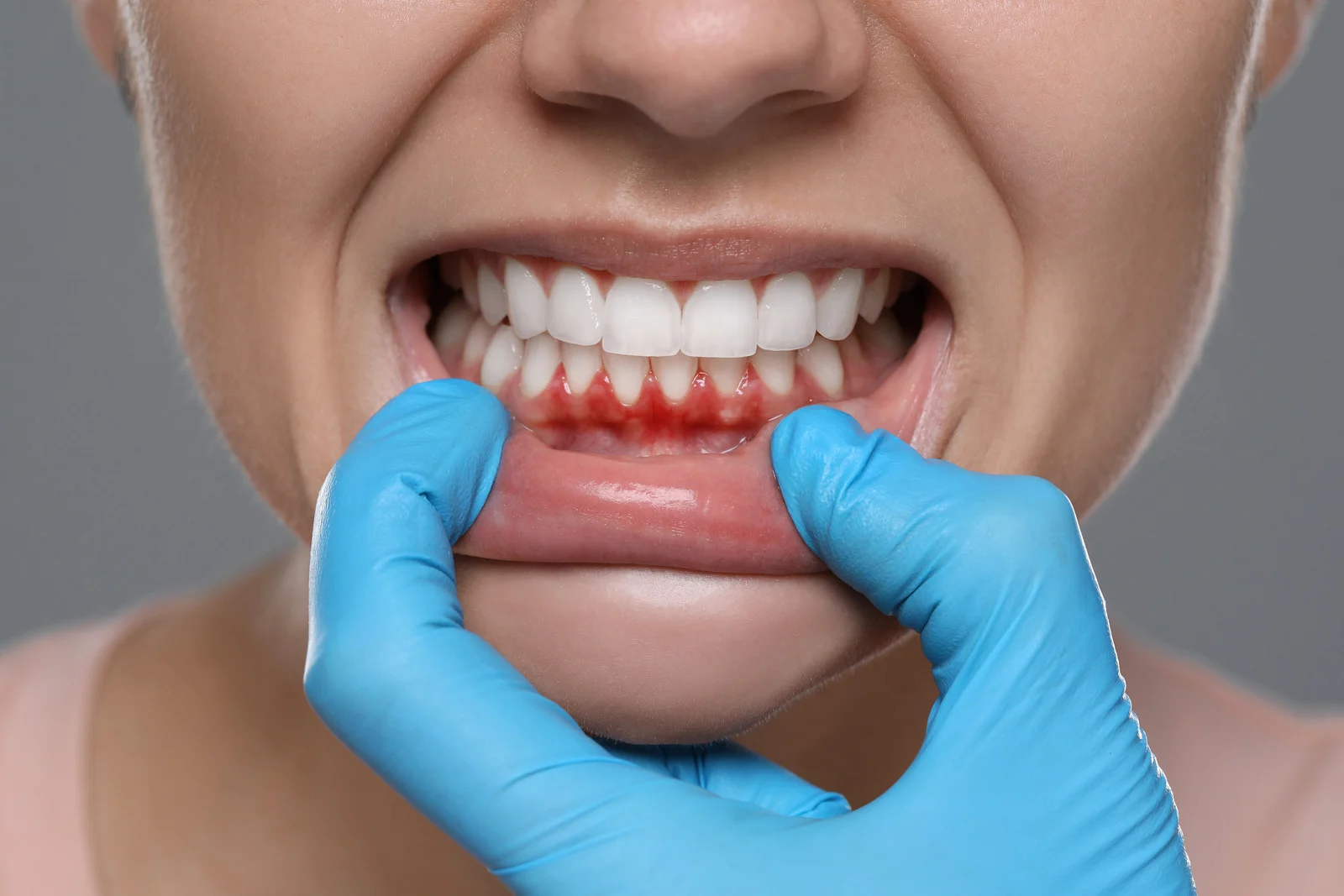
Gingivitis is the earliest stage of gum disease, and the good news is that it's reversible with the right care. Signs include:
- Gums that bleed when you brush or floss
- Redness or swelling along the gumline
- Persistent bad breath
- Gums that feel tender to the touch
At this stage, there's no damage to the bone or supporting structures yet, which is exactly why early treatment matters.
Advanced Signs: Periodontitis
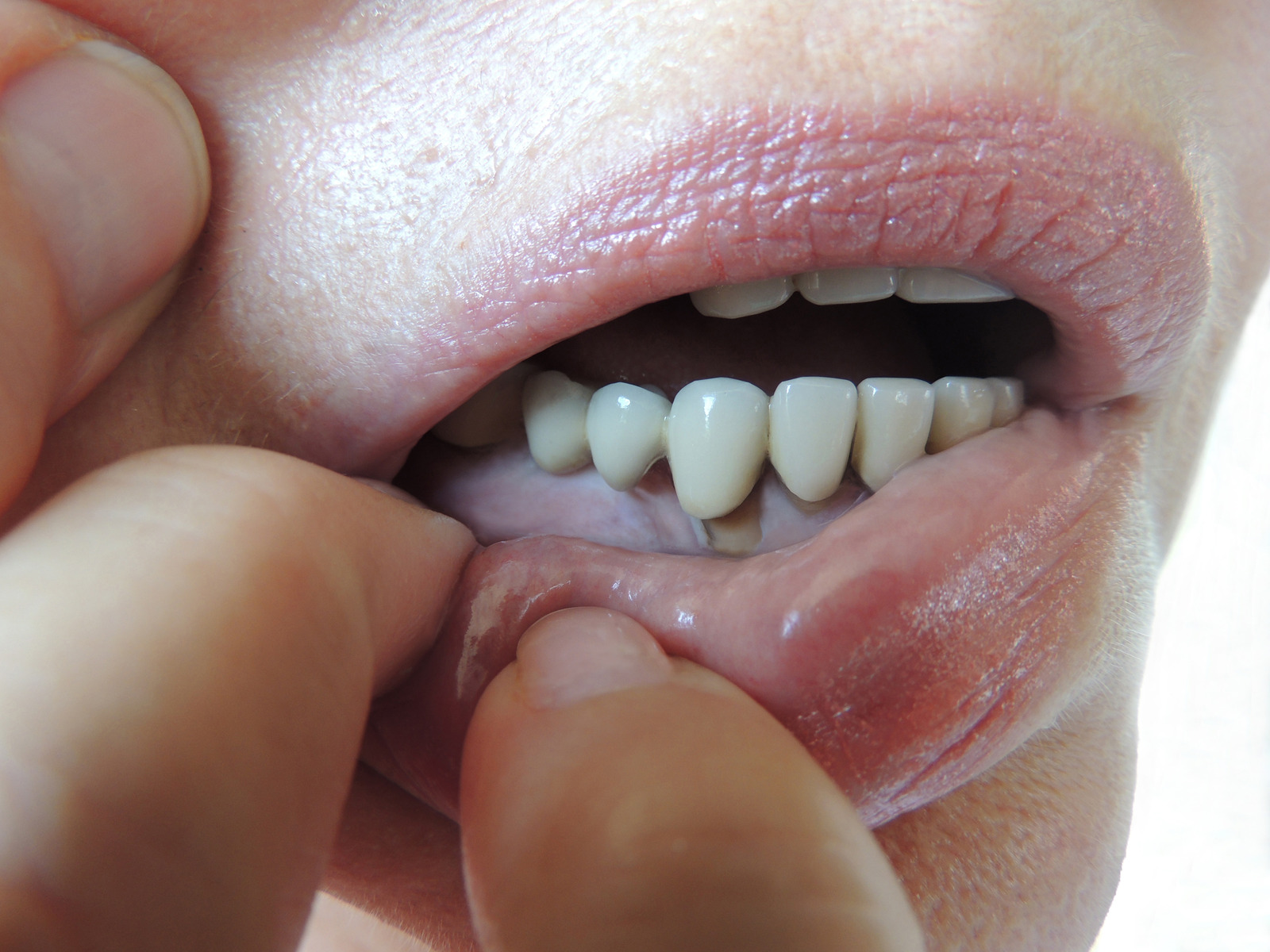
If gingivitis isn't addressed, it can progress to periodontitis. Signs at this stage include:
- Gums pulling away or receding from the teeth
- Loose or shifting teeth
- Pus between the teeth and gums
- Changes in how your teeth fit together when biting
- Visible loss of gum tissue
Periodontitis causes damage that can't fully reverse on its own, so treatment at this stage focuses on stopping progression and managing the condition.
What Causes Gum Disease?
Gum disease is primarily caused by plaque, a sticky film of bacteria that builds up on teeth and, if not removed through brushing and flossing, hardens into tartar. Other factors that increase risk include smoking, poor oral hygiene, certain medications, hormonal changes, diabetes, and a genetic predisposition to gum problems.
How Gum Disease Is Diagnosed
Your dentist checks for gum disease during routine examinations by measuring the depth of the pockets between your teeth and gums, checking for bleeding, and assessing gum recession. X-rays may also be used to check for bone loss around the teeth, particularly if periodontitis is suspected.
Can Gum Disease Be Reversed?
Gingivitis can be fully reversed with improved oral hygiene and professional cleaning. Periodontitis, once bone and tissue loss has occurred, can't be fully reversed, but it can be effectively managed and stabilised with the right treatment, preventing further damage.
Treatment Options
Professional Cleaning and Scale and Polish
For gingivitis and general prevention, a thorough professional clean removes plaque and tartar buildup that brushing alone can't reach, particularly along and below the gumline.
Deep Cleaning (Root Planing)
For more advanced cases, root planing removes plaque and tartar from below the gumline and smooths the tooth root, making it harder for bacteria to reattach and giving the gums a better chance to reattach to the tooth.
Ongoing Maintenance
Once gum disease has been treated, regular maintenance visits, often more frequent than a standard six-month check-up, help keep it under control and catch any recurrence early.
Is Bleeding When I Brush Always a Sign of Gum Disease?
Not necessarily on its own, but it's one of the earliest and most common warning signs and shouldn't be ignored. If bleeding persists for more than a few days, it's worth having it checked.
How Often Should I Have a Scale and Polish?
This depends on your individual risk factors, but most patients benefit from a professional clean every six months, with some needing more frequent visits if they're prone to plaque buildup or have a history of gum disease.
Gum Health and Dental Implants
Healthy gums are a prerequisite for dental implants, since the implant relies on healthy bone and tissue to properly integrate and stay stable long-term. If you're considering implants and have a history of gum disease, this will typically need to be treated and stabilised first. For more on what makes someone a suitable candidate and what to expect on cost, our guide to dental implant candidacy and pricing in Wales covers this in more detail.
Can I Get Dental Implants if I Have Gum Disease?
Active gum disease usually needs to be treated first, since implants placed into unhealthy gum and bone tissue are at higher risk of failure. Once gum health is stabilised, many patients go on to be good implant candidates.
How to Prevent Gum Disease at Home
- Brush twice daily with a fluoride toothpaste, angling the brush toward the gumline
- Floss or use interdental brushes daily to clear plaque brushing can't reach
- Avoid smoking, which significantly increases gum disease risk
- Keep up with regular dental check-ups and cleans, even without symptoms
Book a Check-Up at Lotus Dental Studio
Noticed any of these symptoms, or overdue for a check-up? Book an appointment with our team and get your gum health assessed properly.
Lotus Dental Studio, 13 Llwynhendy Road, Llanelli, SA14 9DP · 01554 774 509