Reviewed by Khawaja Jawad Fariduddin, BDS | Lotus Dental Studio
Dental implants are designed to last a lifetime — but only if they are looked after properly. Unlike natural teeth, implants cannot develop decay in the traditional sense, but the gum and bone surrounding them can still be affected by poor oral hygiene, and the crown on top of the implant can be damaged by habits and lifestyle factors.
The good news is that looking after implants is not complicated. With a consistent daily routine and regular check-ups, most patients keep their implants functioning well for 20 years or more.
Here is everything you need to know about long-term implant care.
How Long Do Dental Implants Last?
With proper care, dental implants can last 20 to 25 years, and in many cases, for a lifetime.
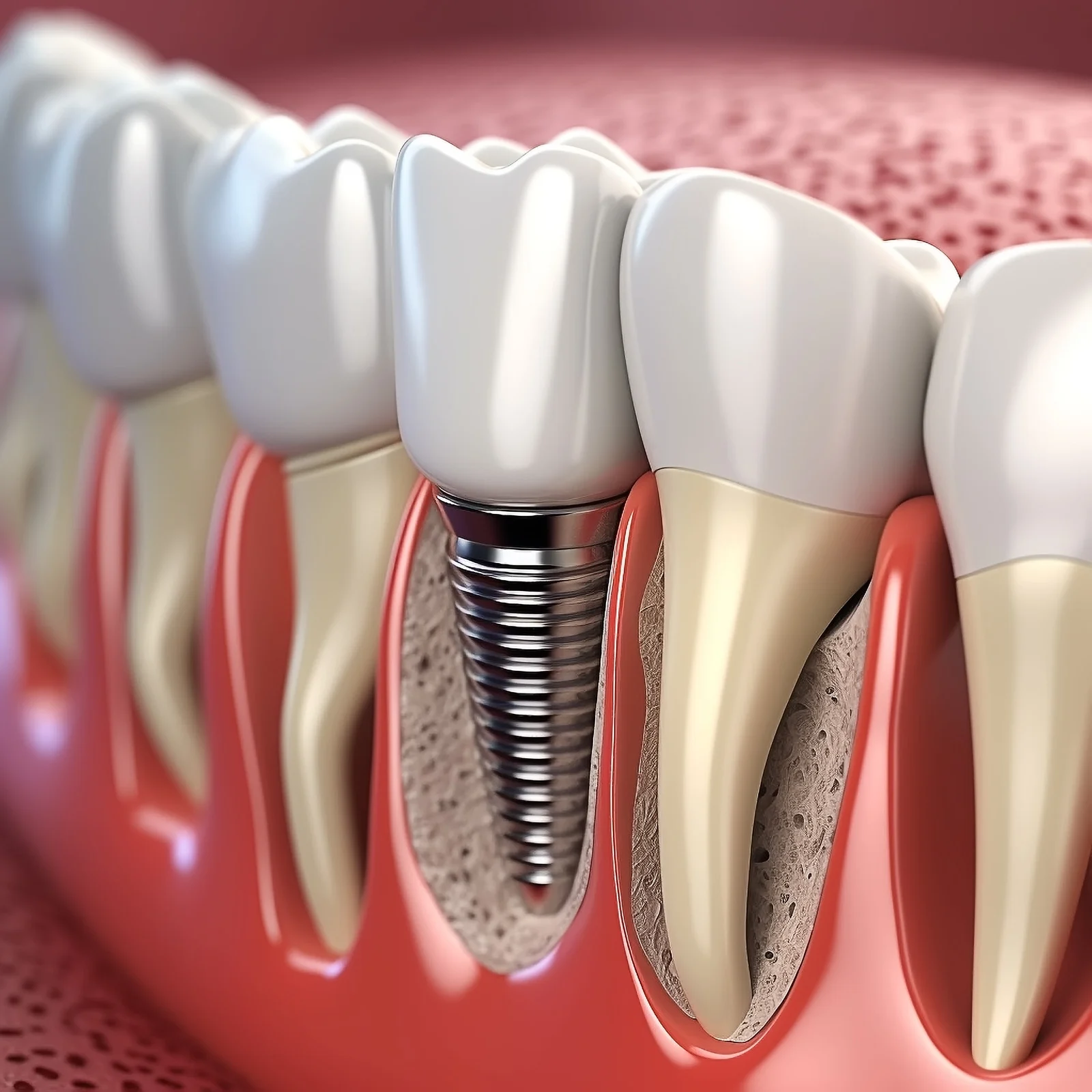
- The Implant Post: The titanium fixture that integrates with your jawbone is extremely durable and rarely needs replacing.
- The Crown/Bridge: The visible restoration on top may need to be renewed after 10 to 15 years depending on natural wear and tear and the material used.
Longevity is directly linked to how well the implant is cleaned, whether you attend regular dental check-ups, and how well you manage lifestyle factors like smoking or teeth grinding.
Daily Cleaning — What You Need to Do
Implants need to be cleaned just as thoroughly as natural teeth — arguably even more so. Any buildup of plaque around the base of the implant can lead to a condition called peri-implantitis (an infection of the tissue and bone surrounding the implant), which is one of the leading causes of long-term implant failure.
1. Brushing
Brush twice a day using a soft-bristled toothbrush (either manual or electric). Avoid medium or hard bristles, as these can scratch the polished surface of your implant crown over time. Use a low-abrasive fluoride toothpaste and pay close attention to the gum line where the restoration meets your natural gum tissue.
2. Flossing and Interdental Cleaning
Standard floss works well, but many patients find implant-specific floss or interdental brushes much easier to guide around the implant crown.
A water flosser is a highly useful tool. It safely flushes out food debris and bacteria from hard-to-reach pockets, which is especially helpful if you have a dental bridge or a full-arch restoration supported by implants.
3. Alcohol-Free Mouthwash
An alcohol-free antibacterial mouthwash used once daily can help reduce the overall bacterial load in your mouth. Avoid high-alcohol mouthwashes, as they can dry out oral tissues and irritate the sensitive gums surrounding your implant.
Can You Use an Electric Toothbrush on Dental Implants?
Yes, absolutely. An electric toothbrush is safe, highly effective, and widely recommended. Choose a soft brush head and use a gentle setting to avoid putting excessive pressure on your delicate gums. The rapid oscillating action of an electric toothbrush is highly efficient at breaking down stubborn plaque at the implant base.
What Foods and Habits Can Damage Implants?
- Hard and Crunchy Foods: While implant crowns are incredibly strong, biting directly into very hard items — such as ice, hard boiled sweets, or crusty bread — can chip or crack the porcelain over time.
- Smoking: This is one of the most significant risk factors for implant failure. Smoking restricts crucial blood flow to your gums, impairs your immune response, and dramatically increases the risk of contracting peri-implantitis.
- Grinding and Clenching (Bruxism): If you grind your teeth at night, the immense force can place destructive stress on your implant components. Your dentist can easily craft a custom nightguard to protect your implant crown from wear.
How Often Should You Have Your Implants Checked?
Most implant patients should attend a dental check-up and hygiene visit every six months. At these appointments, your dentist will:
- Assess the structural integrity: Examine the physical condition of the implant crown, screws, and internal components.
- Monitor tissue health: Track the health of the surrounding gum and bone tissue using specialized diagnostic tools.
- Deep clean the base: Perform a professional, specialized scale and clean to clear away stubborn calculus (tartar) around the implant base where regular toothbrushes can't reach.
Research suggests that patients who skip these routine maintenance visits are more than twice as likely to develop peri-implantitis—an advanced disease that leads to bone loss and implant failure. Because early bone loss does not cause pain initially, regular monitoring is the only way to catch and prevent complications before they become irreversible.
Can Dental Implants Fail Years After Placement?
Yes, although late failure is rare if you maintain great oral hygiene. It is almost always linked to peri-implantitis, smoking, or systemic health changes (such as unmanaged diabetes).
Signs of Implant Trouble to Watch For
Contact Lotus Dental Studio promptly if you experience:
- An implant that feels slightly loose or mobile.
- Unexplained pain or discomfort around the implant site.
- Bleeding, swelling, or redness along the surrounding gum line.
- A persistent bad taste or odour coming from the implant area.
Early clinical intervention can often easily resolve these problems before they threaten the structural stability of the implant.
Caring for Implants vs. Natural Teeth: The Key Differences
While your day-to-day cleaning routines are very similar, there are a few important differences to keep in mind:
Your Implants at Lotus Dental Studio, Llanelli
Whether you already have a dental implant or are exploring your options to replace a missing tooth, our dedicated team at Lotus Dental Studio is here to help you protect your investment.
- Competitive Starting Rates: Dental implant treatments in Llanelli are available from £2,595.
- Flexible 0% Finance: We offer interest-free finance over 12 months, allowing you to seamlessly spread the cost of your restorative care.
If you have any questions about caring for your implants or are due for a routine review, contact our friendly team today.
Contact Lotus Dental Studio
- Address: 13 Llwynhendy Road, Llanelli, SA14 9DP
- Phone: 01554 774 509