Reviewed by Khawaja Jawad Fariduddin, BDS | Lotus Dental Studio
Root canal treatment has a reputation that it does not deserve. Mention it to most people and they will wince — but the reality of modern root canal treatment is far removed from the horror stories passed around over the years.
If you have been told you need a root canal, or you are experiencing symptoms that suggest you might, this guide will walk you through exactly what the treatment involves, whether it hurts, and what recovery looks like.
What Is Root Canal Treatment?
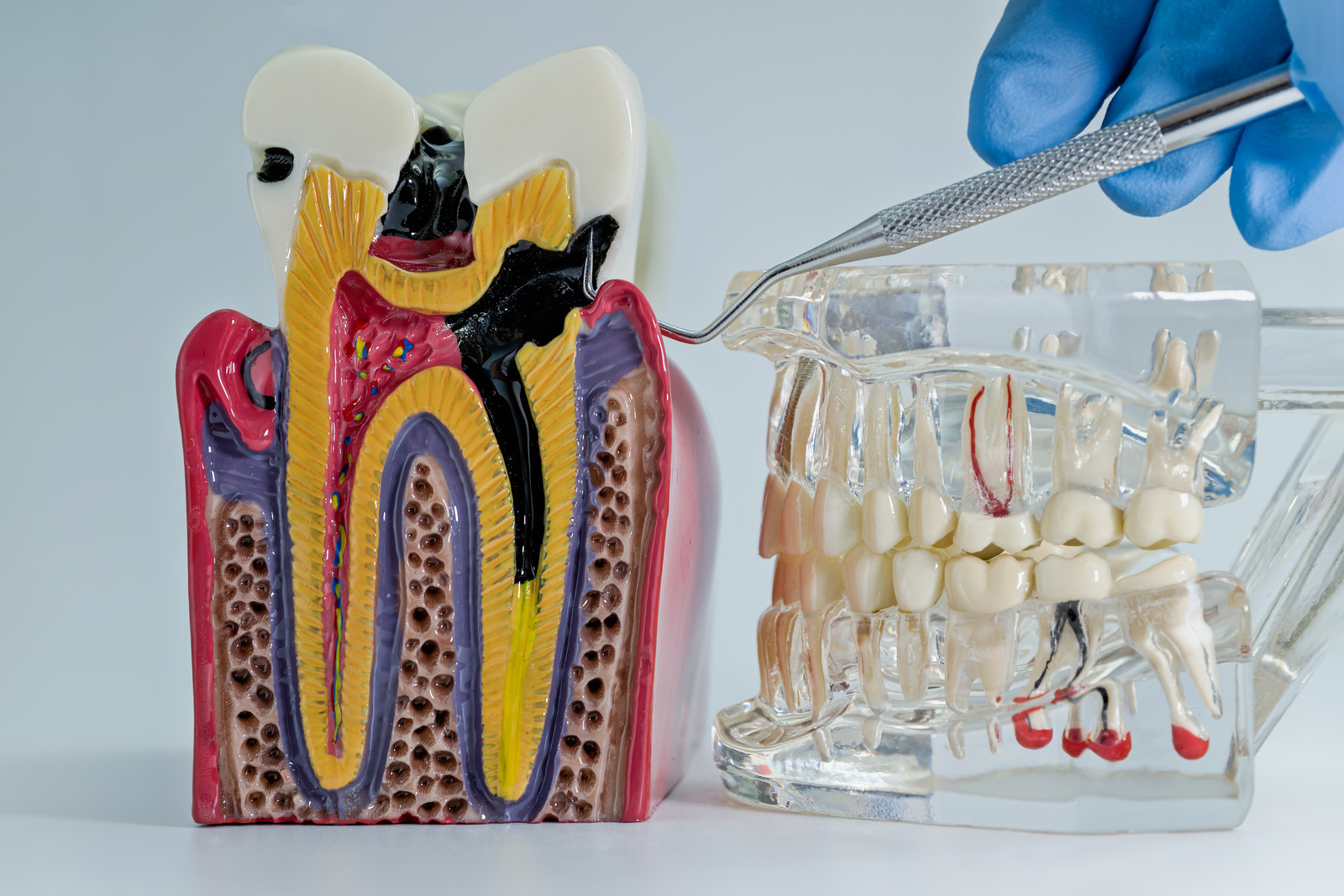
Root canal treatment is a procedure used to save a tooth that has become infected or severely inflamed from the inside. It involves removing the damaged pulp — the soft tissue inside the tooth containing nerves and blood vessels — cleaning the canal thoroughly, and sealing it to prevent reinfection.
The goal is to eliminate the infection and preserve the natural tooth, avoiding extraction.
Why Would You Need a Root Canal?
Root canal treatment becomes necessary when the pulp inside a tooth is infected or inflamed. This can happen as a result of:
- Deep decay that has reached the inner pulp
- A cracked or fractured tooth that allows bacteria to enter
- A faulty or leaking filling
- Repeated dental procedures on the same tooth
- Trauma to the tooth
Signs You Might Need Root Canal Treatment
- Persistent toothache, particularly when biting or applying pressure
- Prolonged sensitivity to hot or cold that does not ease after the source is removed
- A darkening or discolouration of the tooth
- Swelling or tenderness in the surrounding gum
- A small raised bump on the gum near the affected tooth
Please note: Not everyone experiences obvious symptoms. In some cases, an infection is only identified on an X-ray during a routine check-up. This is one of the key reasons regular dental examinations matter.
Does Root Canal Treatment Hurt?
This is the question most patients ask first, and the honest answer is: no, not during the procedure.
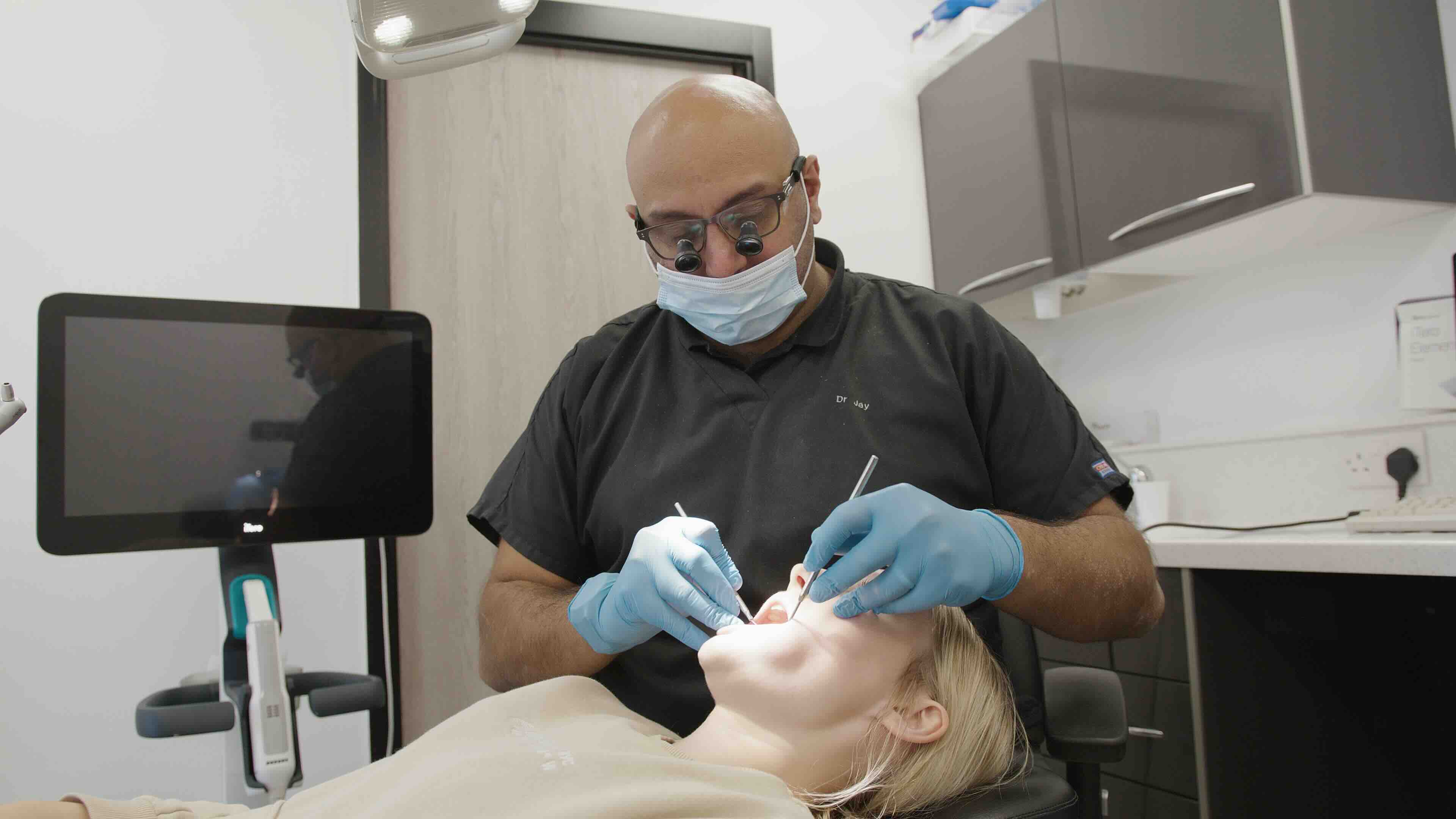
Root canal treatment is carried out under local anaesthetic. The area is fully numbed before any work begins, so you should feel pressure and movement, but not pain. Modern anaesthetics are highly effective, and the majority of patients are surprised by how straightforward the appointment is.
The discomfort associated with root canals in older accounts largely reflects treatment carried out before modern anaesthesia and techniques were available. Today, the procedure is considered no more uncomfortable than having a simple filling.
What to Expect After the Procedure
After the anaesthetic wears off, some soreness around the treated tooth is normal for a few days. This can be managed comfortably with over-the-counter pain relief such as ibuprofen or paracetamol and settles on its own within a week for most patients.
What Does the Root Canal Treatment Process Involve?

Getting a root canal typically involves five straightforward steps.
1. Examination and X-ray
Before treatment begins, your dentist will take X-rays to assess the extent of the infection and the anatomy of the root canals. This information is essential for planning the procedure.
2. Anaesthetic
Local anaesthetic is administered to numb the tooth and surrounding area. A small rubber dam is placed around the tooth to keep the area clean, dry, and isolated throughout treatment.
3. Removing the Infected Pulp
A small opening is made in the crown of the tooth to access the pulp chamber. The infected or inflamed pulp is carefully removed using fine, specialized instruments, and the root canals are cleaned and shaped.
4. Cleaning and Sealing the Canal
The canals are thoroughly disinfected, then filled with a biocompatible material called gutta-percha and sealed to prevent bacteria from re-entering. In some cases, a temporary filling is placed while the area heals before the final seal is completed at a follow-up appointment.
5. Protecting the Tooth with a Crown
In most cases, a custom dental crown is highly recommended after root canal treatment. Because the tooth can become more brittle once its nerve and blood supply have been removed, a crown protects the structural integrity of the remaining tooth and restores its full biting power.
How Long Does a Root Canal Take?
Most root canal appointments last between 60 and 90 minutes. More complex cases, or teeth with multiple canals (such as back molars), may require more than one appointment. Your dentist will give you a clear, personalized indication of what to expect at your consultation.
What Is Recovery Like After a Root Canal?
Most people return to their normal routine the same day or the following day. Some tenderness when biting is common for the first few days, and the area around the tooth may feel a little sore. This is entirely normal and is simply a result of the surrounding tissues settling after treatment.
Over-the-counter pain relief is usually sufficient to manage any discomfort. Most patients feel significantly better within three to five days, with any remaining tenderness fully resolved within one to two weeks.
If you experience severe or worsening pain, swelling, or a fever after your appointment, contact the practice as soon as possible so we can check on your progress.
Root Canal vs. Extraction — Which Is Better?
Where it is clinically possible, saving your natural tooth is almost always the better long-term outcome. Natural teeth are stronger than any artificial replacement, and keeping them avoids the knock-on effects of tooth loss, such as bone loss in the jaw, shifting of surrounding teeth, and the need for more complex treatments like bridges or implants to fill the gap.
Extraction is only recommended as a last resort when a tooth is too severely damaged to be saved. Your dentist will be completely honest with you about whether root canal treatment is viable in your case.
What Happens If You Leave an Infected Tooth Untreated?
An infected tooth will not heal on its own. Without treatment, the infection will eventually spread, causing increasing pain, swelling, and localized bone damage. In some cases, a painful dental abscess can develop, which can become a more serious systemic health concern if left neglected.
If you are experiencing symptoms of a dental infection, it is vital to seek professional advice promptly. Emergency dental appointments are available daily at Lotus Dental Studio for patients in acute pain.
Root Canal Treatment at Lotus Dental Studio, Llanelli
Our team understands that root canal treatment can feel daunting. We take the time to explain what is happening at every stage, ensure you are fully comfortable before we begin, and work at a pace that suits you.
- Affordable Private Rates: Root canal therapy is priced by tooth type:
- Incisors & Canines: From £425 (Just £340 for Care Plan Members)
- Pre-Molars: From £475 (Just £380 for Care Plan Members)
- Molars: From £525 (Just £420 for Care Plan Members)
- Practice Care Plan: Join our Care Plan for £17/month to enjoy an automatic 20% discount on all root canal treatments and crowns.
- 0% Finance: We offer 0% interest-free finance options over 12 months to help split the cost of your restorative care.
If you are experiencing tooth pain or have been told you may need root canal treatment, get in touch with our Llanelli team to arrange an assessment.
Contact Lotus Dental Studio
- Address: 13 Llwynhendy Road, Llanelli, SA14 9DP
- Phone: 01554 774 509