Reviewed by Khawaja Jawad Fariduddin, BDS | Lotus Dental Studio | June 11, 2026
If your dentist has told you that you need a crown, it is completely normal to have questions. What exactly is a crown? Will it hurt? How long will it take? And is there any alternative?
This guide covers everything you need to know about dental crowns — what they are, when they are needed, what the procedure involves, and how to look after one once it is in place.
What is a Dental Crown?
A dental crown is a custom-made cap that fits over the entire visible surface of a tooth, restoring its shape, strength, and appearance. It is permanently fixed in place using dental cement and functions just like a natural tooth.
Crowns are one of the most common restorative treatments in dentistry and have been used reliably for decades. They are made to match the colour and size of your surrounding teeth so that the result looks completely natural.
When Would You Need a Dental Crown?
There are several reasons your dentist might recommend a crown. The most common include:
1. After a Root Canal
Once the infected pulp has been removed during root canal treatment, the tooth becomes more fragile and vulnerable to cracking under normal biting forces. A crown is placed over it to protect the remaining tooth structure and restore its full function.
2. Severe Decay or Damage
When a tooth has too much decay to be repaired with a filling alone, a crown rebuilds and protects what remains of the natural tooth.
3. Cracked or Broken Teeth
A crack that runs deep into the tooth can cause significant pain and, if left untreated, can worsen over time. A crown holds the tooth together and prevents the crack from spreading.
4. To Cover a Dental Implant
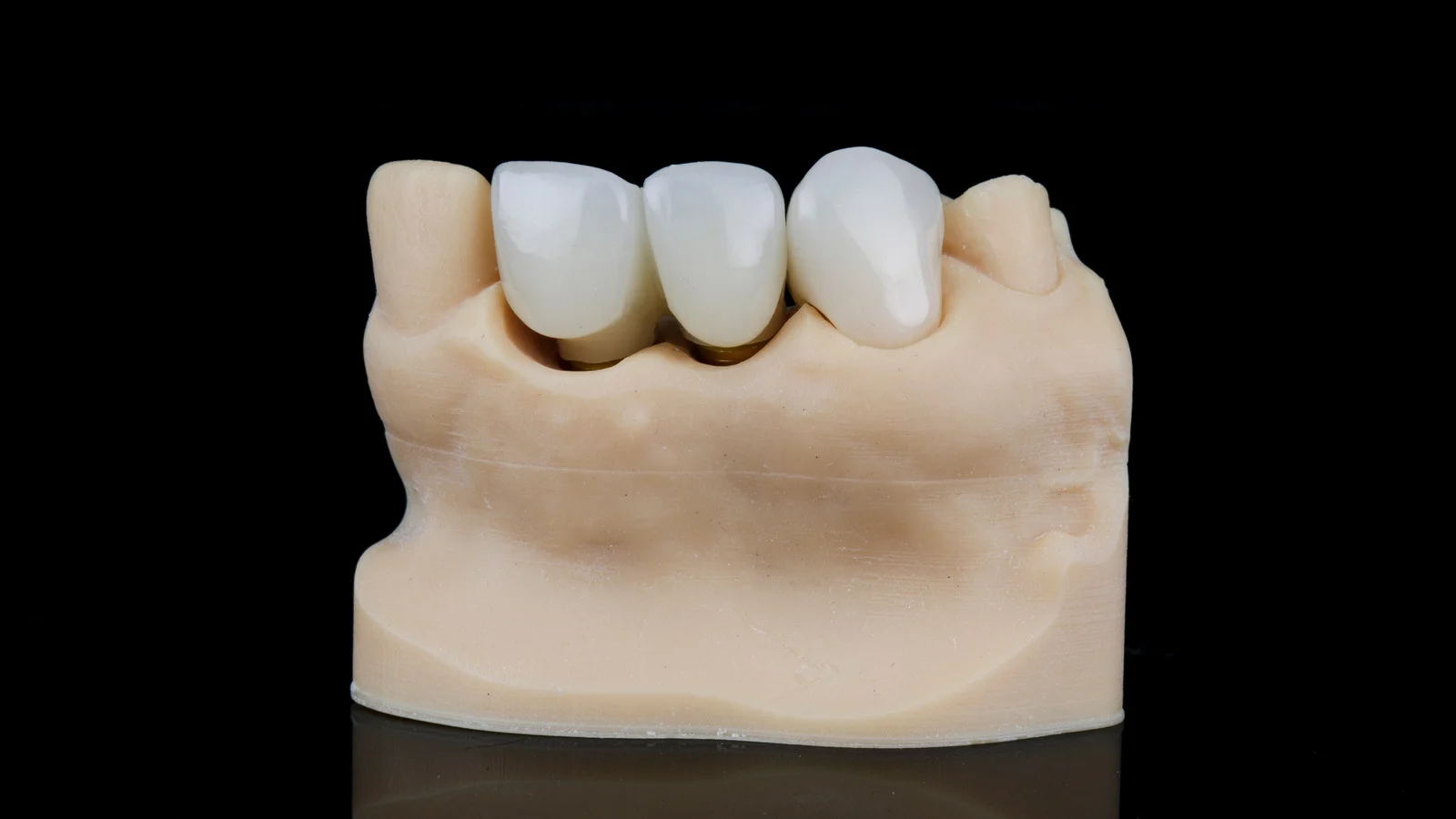
After a dental implant has integrated with the jawbone, a crown is attached to the top of the implant post to create the visible, functional tooth.
5. Cosmetic Reasons
Crowns can also be used to improve the appearance of a tooth that is severely discoloured, misshapen, or worn down, where other cosmetic options would not provide adequate coverage or strength.
Crown or Filling — How Do You Know Which One You Need?
This is one of the most common questions patients ask. The short answer is that it depends on how much healthy tooth structure remains.
- A filling is used when decay or damage is relatively contained. It replaces the missing portion of the tooth while leaving the majority of the natural structure intact.
- A crown becomes necessary when the damage is too extensive for a filling to hold securely, or when the remaining tooth is at risk of fracturing under normal biting pressure.
Your dentist will assess this at your examination and explain their clinical reasoning clearly.
What Types of Dental Crowns Are Available?
Crowns are available in several materials, each with different properties suited to different situations.
Porcelain and E-max Crowns
Porcelain and E-max (lithium disilicate) crowns are tooth-coloured and highly natural-looking, making them the gold standard for front teeth. They mimic the translucent qualities of natural enamel beautifully, though they require careful placement on load-bearing back teeth.
Zirconia Crowns
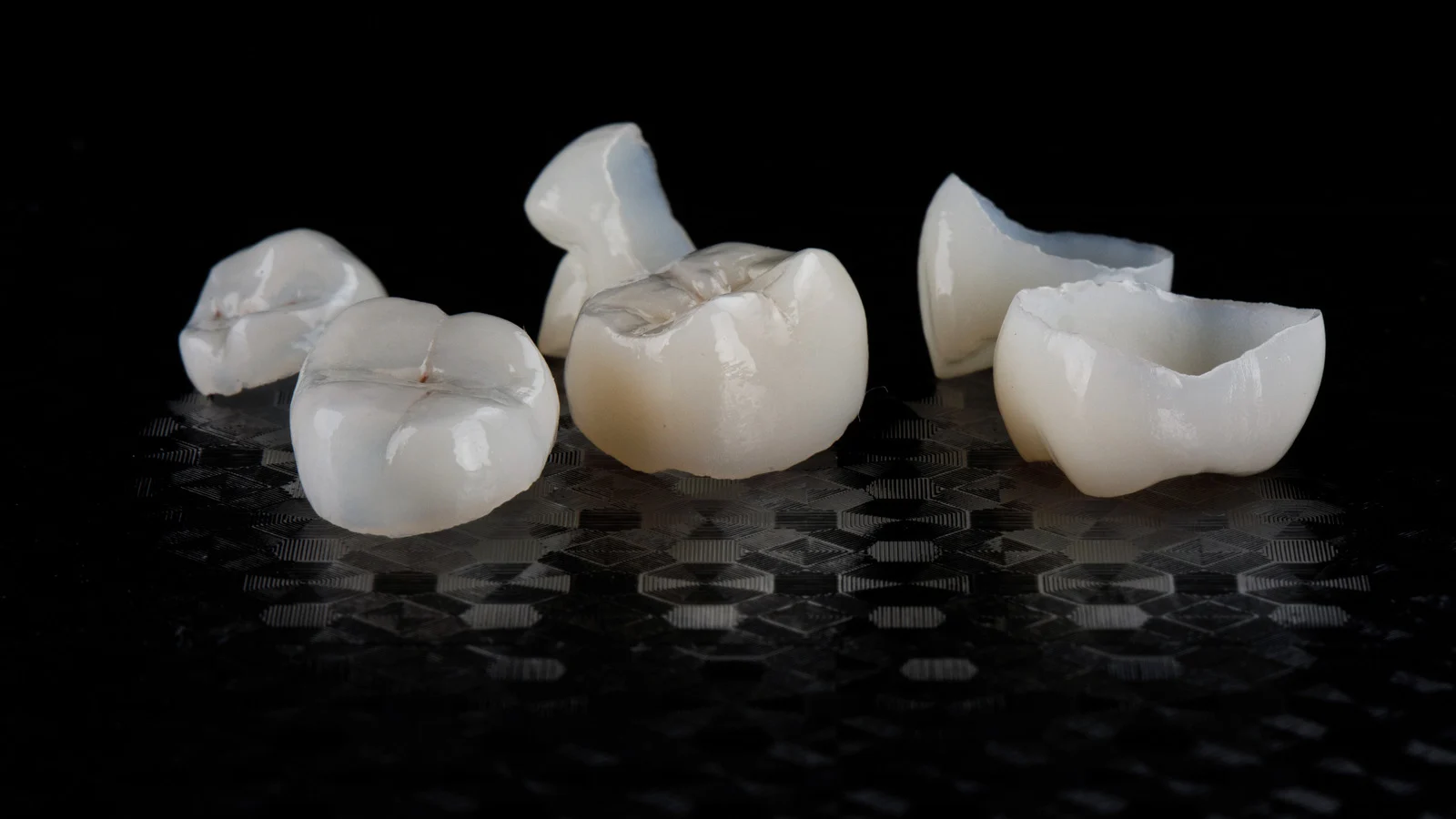
Zirconia is an extremely strong, metal-free crystal-ceramic material that holds up exceptionally well under the heavy pressure of back teeth and molars. It is biocompatible, meaning it is highly gentle on gums, and is now one of the most commonly recommended materials for both front and back teeth.
Porcelain-Fused-to-Metal (PFM)
PFM crowns combine a metal base for strength with a porcelain outer layer for aesthetics. They are a well-established, highly durable option, though the dark metal base can occasionally become visible as a faint line at the gum line over time.
Metal and Gold Crowns
Metal and gold alloy crowns are incredibly durable and kind to opposing teeth, making them a strong option for back teeth where biting forces are greatest and cosmetic demands are lower.
Your dentist at Lotus Dental Studio will discuss the most suitable material based on the location of the tooth, your bite, and your aesthetic preferences.
What Does the Dental Crown Procedure Involve?
Getting a crown typically involves two separate clinical appointments.
Appointment One — Preparation
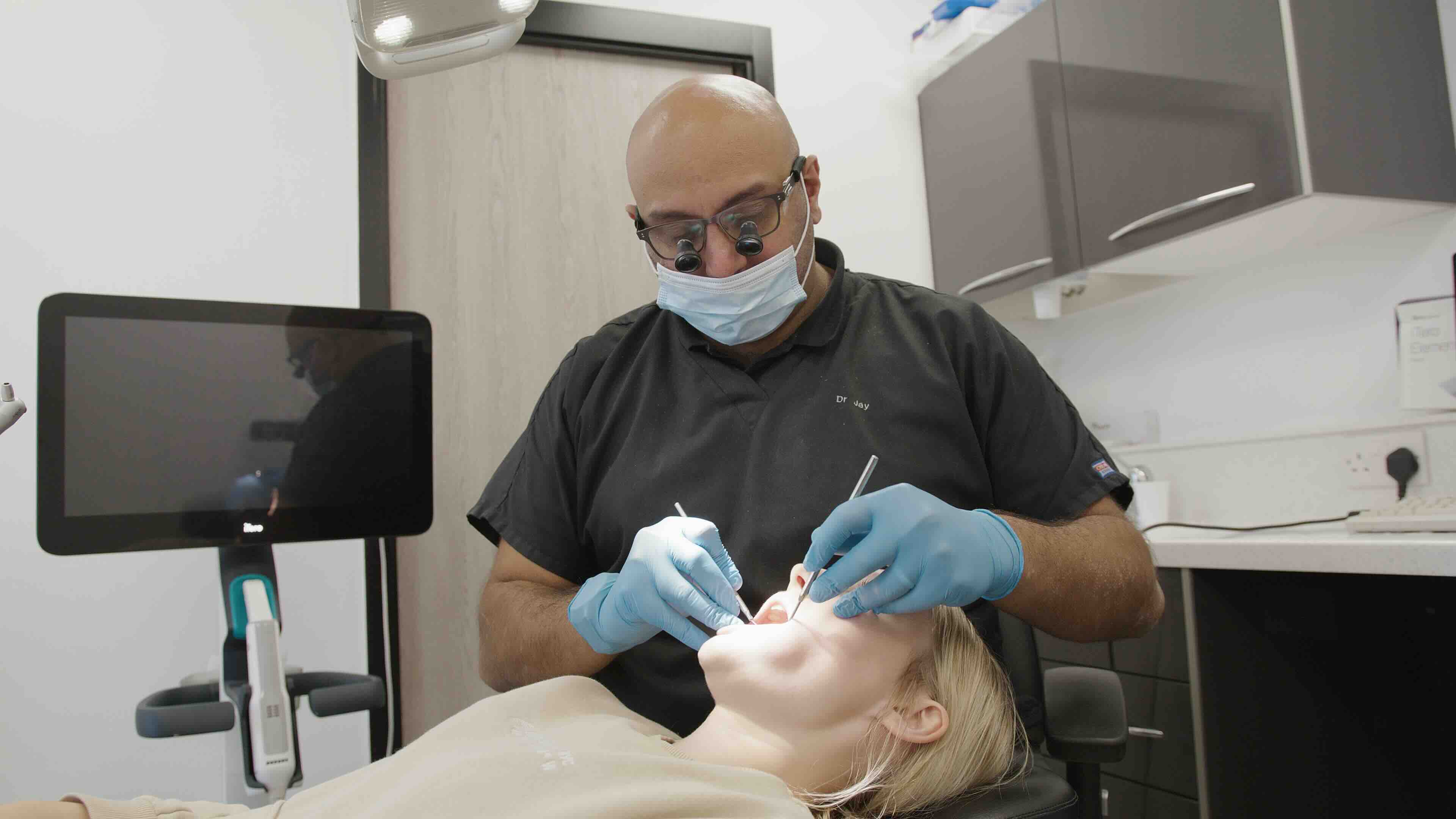
At your first appointment, the tooth is reshaped slightly so the crown will fit over it like a glove. An impression or precise digital scan of the tooth is taken and sent to a dental laboratory, where your custom crown is made. A temporary crown is placed to protect the tooth and keep your smile complete in the meantime.
Appointment Two — Fitting
Once your permanent crown is ready (usually 1–2 weeks later), the temporary crown is removed. The new crown is carefully checked for fit, color, and bite alignment before being permanently cemented into place.
Does Getting a Crown Hurt?
The preparation appointment is carried out under local anaesthetic, so you should not feel any pain during the procedure. You may feel some mild vibration or pressure, but this is entirely normal and should not be uncomfortable.
After the anaesthetic wears off, it is common to experience some minor sensitivity or mild soreness around the gums for a few days. This settles quickly on its own and can be managed easily with over-the-counter pain relief such as ibuprofen or paracetamol.
How Long Do Dental Crowns Last?
A well-made crown, looked after properly, will typically last between 10 and 15 years. Many patients keep the same crown for considerably longer — 20 or even 30 years is not unusual.
Factors that affect lifespan include:
- The material chosen
- Where the crown is positioned in the mouth
- Your day-to-day oral hygiene habits
- Whether you suffer from teeth grinding (bruxism)
How to Care for Your Crown
Crowns do not require any specialized cleaning routines. Simply care for them as you would your natural teeth:
- Brush twice a day with fluoride toothpaste.
- Floss daily to clean the margins around the gumline where plaque can accumulate.
- Attend regular dental check-ups so your dentist can monitor both the crown and the health of the underlying tooth.
- Avoid habits that put excessive force on your teeth, such as chewing ice, biting fingernails, or using your teeth as tools.
Dental Crowns at Lotus Dental Studio, Llanelli
At Lotus Dental Studio, we offer high-quality, custom dental crowns in Llanelli as part of our comprehensive range of restorative treatments. Whether you need a crown to protect a tooth following root canal treatment, restore a damaged tooth, or complete an implant restoration, our team will talk you through your options clearly and without pressure.
- Pricing: Private crowns are available from £595.
- Practice Care Plan: Patients on our Dental Care Plan benefit from discounted treatment fees (reducing a premium zirconia crown/onlay to £476).
- 0% Finance: We offer 0% interest-free finance over 12 months to help spread the cost of your treatment.
To find out whether a crown is the right solution for your tooth, book a consultation at our Llanelli practice today.
Contact Lotus Dental Studio
- Address: 13 Llwynhendy Road, Llanelli, SA14 9DP
- Phone: 01554 774 509