Intro
You know the feeling. You catch your smile in a photo and your eye goes straight to that one chipped tooth. Or the small gap you’ve always covered when you laugh. Maybe it’s staining that whitening hasn’t shifted.
If you want a noticeable change without the time, cost, or drilling of veneers, composite bonding could be the answer. It’s one of the most versatile cosmetic treatments we offer — fast, minimally invasive, and done in a single visit for most people.
Lotus Dental Studio provides composite bonding in Llanelli and the surrounding area who want a confidence boost that fits their lifestyle and budget. This guide covers how it works, what it fixes, how long it lasts, and whether it’s right for you.
What Is Composite Bonding?
Composite bonding uses a tooth-coloured resin — the same material used for white fillings — that’s applied and sculpted directly onto your natural tooth. Your dentist shapes it to improve colour, length, or contour, then sets it with a special curing light before polishing it to a natural finish.
There’s usually no drilling or injections required. The process is additive, not subtractive, which means we’re building onto your tooth rather than removing healthy enamel. Most treatments are completed in one appointment, and you’ll see the results immediately.
What Can Composite Bonding Fix?
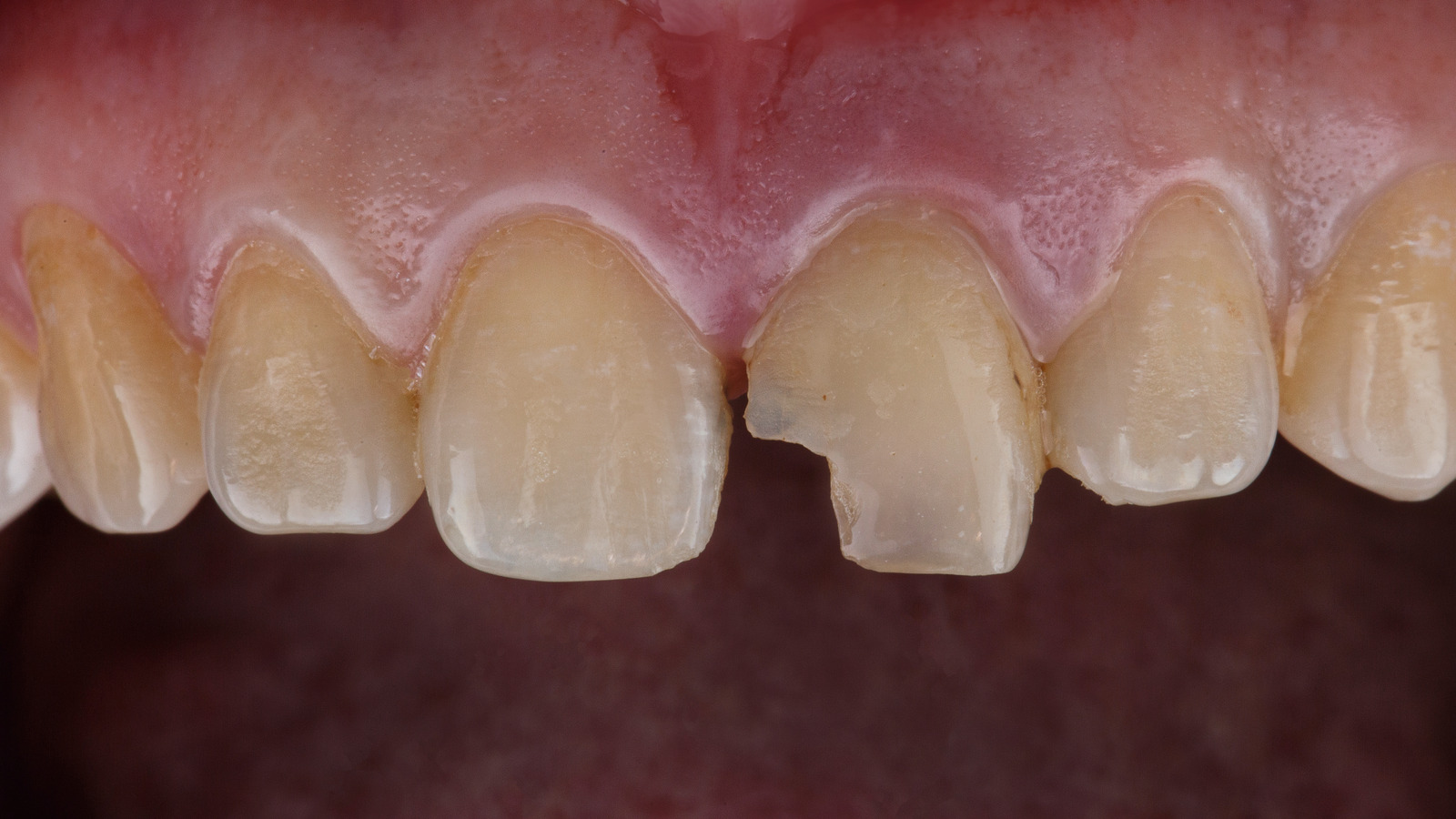
Composite bonding is often called the “quick fix” of cosmetic dentistry because it can address several common concerns in one session:
- Chipped or cracked teeth — rebuild small chips and restore shape
- Gaps between teeth — close minor spacing without braces
- Discolouration that whitening can’t treat — mask deep staining or single dark teeth
- Misshapen or uneven teeth — improve symmetry and proportions
- Short or worn-down teeth — restore length lost to grinding or wear
It’s ideal for mild to moderate cosmetic issues. If you’re looking for a subtle but visible improvement, this is often the first treatment we discuss.
What Happens During the Procedure?
The process is straightforward and typically painless. Here’s what to expect at Lotus Dental Studio:
- Consultation — We discuss what you’d like to change, check your bite, and make sure bonding is suitable. We’ll take photos to plan your new smile.
- Shade matching — We select a resin colour that blends seamlessly with your natural teeth.
- Surface preparation — The tooth is gently roughened and a conditioning liquid applied so the resin bonds securely. No drilling is needed in most cases.
- Resin application — The tooth-coloured composite is applied in layers and carefully shaped by hand.
- Curing — A blue light hardens each layer in seconds.
- Polishing — Final shaping and high-shine polishing for a natural, smooth finish.
You can eat and drink straight after. Most patients are surprised by how quick and comfortable it is.
Composite Bonding vs Veneers — What’s the Difference?
Both improve your smile, but they work differently.
Composite bonding is applied directly to the tooth in one visit. It’s less invasive, more affordable, and often reversible because little to no enamel is removed. It typically lasts around 5–7 years, though many cases range from 3–10 years depending on care.
Veneers are thin porcelain shells made in a lab and fitted over 2–3 visits. They require a small amount of enamel removal, cost more, but can last 10–15 years and are more stain-resistant.
If you want a fast, budget-friendly change, bonding is often the best start. If you want the longest-lasting, most transformative result, veneers may suit better. We’ll help you compare during your consultation.
Many patients pair bonding with teeth whitening first to get their natural teeth as bright as possible before we match the resin.
How Long Does Composite Bonding Last?
With good care, composite bonding typically lasts around 5–7 years, though many cases range from 3–10 years depending on care and habits. The exact lifespan depends on:
- Your habits — nail biting, pen chewing, or using teeth to open things will chip it
- Grinding/clenching — if you grind at night, we’ll recommend a night guard
- Diet — coffee, tea, red wine, and smoking can stain the resin over time
- Oral hygiene — regular brushing, flossing, and hygiene visits keep it looking fresh
Bonding isn’t as hard as your natural enamel, so treat it with the same care you’d give a nice piece of jewellery.
Composite Bonding Aftercare Tips
Protect your new smile with these simple habits:
- Avoid nail biting or chewing pens — composite can chip under pressure
- Limit coffee, tea, and red wine for 48 hours after treatment while the resin fully settles
- Use a non-abrasive toothpaste to prevent dulling the polish
- Wear a night guard if you grind your teeth
- Book regular check-ups at Lotus so we can polish and maintain it
Full aftercare details: Composite Bonding Aftercare: How to Make It Last [cluster link]
Is Composite Bonding Right for You?
Bonding works brilliantly for the right case. It’s usually a good fit if you have:
- Mild to moderate cosmetic concerns
- Healthy teeth and gums overall
- A desire for fast results without drilling
- No plans for major orthodontics first
It may not be the best choice if you have:
- Severe crowding or bite issues — orthodontics first may be better
- Heavy, untreated teeth grinding — the composite will wear quickly
- Extensive structural damage — a crown may be stronger
If you’re unsure whether bonding or veneers suit you best, read: Composite Bonding vs Veneers: Which Should You Choose? [cluster link]
Composite Bonding at Lotus Dental Studio, Llanelli
At Lotus Dental Studio, composite bonding is delivered by our experienced clinical team. Laura Thomas, Dental Therapist, GDC 207602, has a keen interest in anterior composite bonding and works alongside our dentists to create natural-looking results.
Your journey starts with a consultation. We’ll listen to what’s bothering you, assess your teeth, and use digital planning to show you what’s possible. Our clinicians layer and sculpt the resin by hand — it’s as much artistry as dentistry — so your results match your face and personality.
We’ve helped patients from Llanelli, Burry Port, and across South Wales enhance their smiles. When you’re ready, book a consultation and we’ll talk you through options, timescales, and costs clearly.
FAQs
Does composite bonding hurt?
No, it’s typically painless. We’re adding to your tooth, not drilling it, so anaesthetic isn’t needed in most cases. You might feel a little vibration during polishing, but there’s no recovery time.
How much does composite bonding cost?
Cost depends on how many teeth you’re treating and the complexity. At Lotus Dental Studio we’ll give you an exact quote after your assessment. We can offer 0% finance over 12 months to help spread the cost.
Can composite bonding be removed or reversed?
It’s often reversible because little to no enamel is removed during the process. That means bonding can usually be polished off or replaced if you change your mind later. That’s one reason people choose it as a first step into cosmetic dentistry.
Will composite bonding stain?
The resin can pick up stains from coffee, tea, red wine, and smoking over time, especially in the first 48 hours. It doesn’t whiten like natural enamel, so we often recommend whitening first. Regular polishing at your check-ups keeps it bright.
Is composite bonding suitable for front teeth?
Yes — front teeth are the most common place we use it. It’s perfect for fixing chips, closing gaps, or reshaping uneven edges.
This article was clinically reviewed by Dr. Khawaja Jawad Fariduddin, BDS, GDC 251178, Owner and Clinical Lead at Lotus Dental Studio, in April 2026. Dr Fariduddin qualified in Wales in 2014 and has completed courses internationally in anterior cosmetic dentistry*. It is for informational purposes only and does not replace professional dental advice. Always consult a qualified dentist about your individual treatment options.*
For more on dental standards in the UK, visit the General Dental Council.