Reviewed by Khawaja Jawad Fariduddin, BDS | Lotus Dental Studio
Reading time: 7 minutes
If you've decided implants are the right option for you, the next question is usually the same one: what actually happens on the day? Understanding the process from consultation through to your final crown makes the whole thing far less daunting, and helps you know what to expect at each stage.
Before Surgery: Consultation and Planning
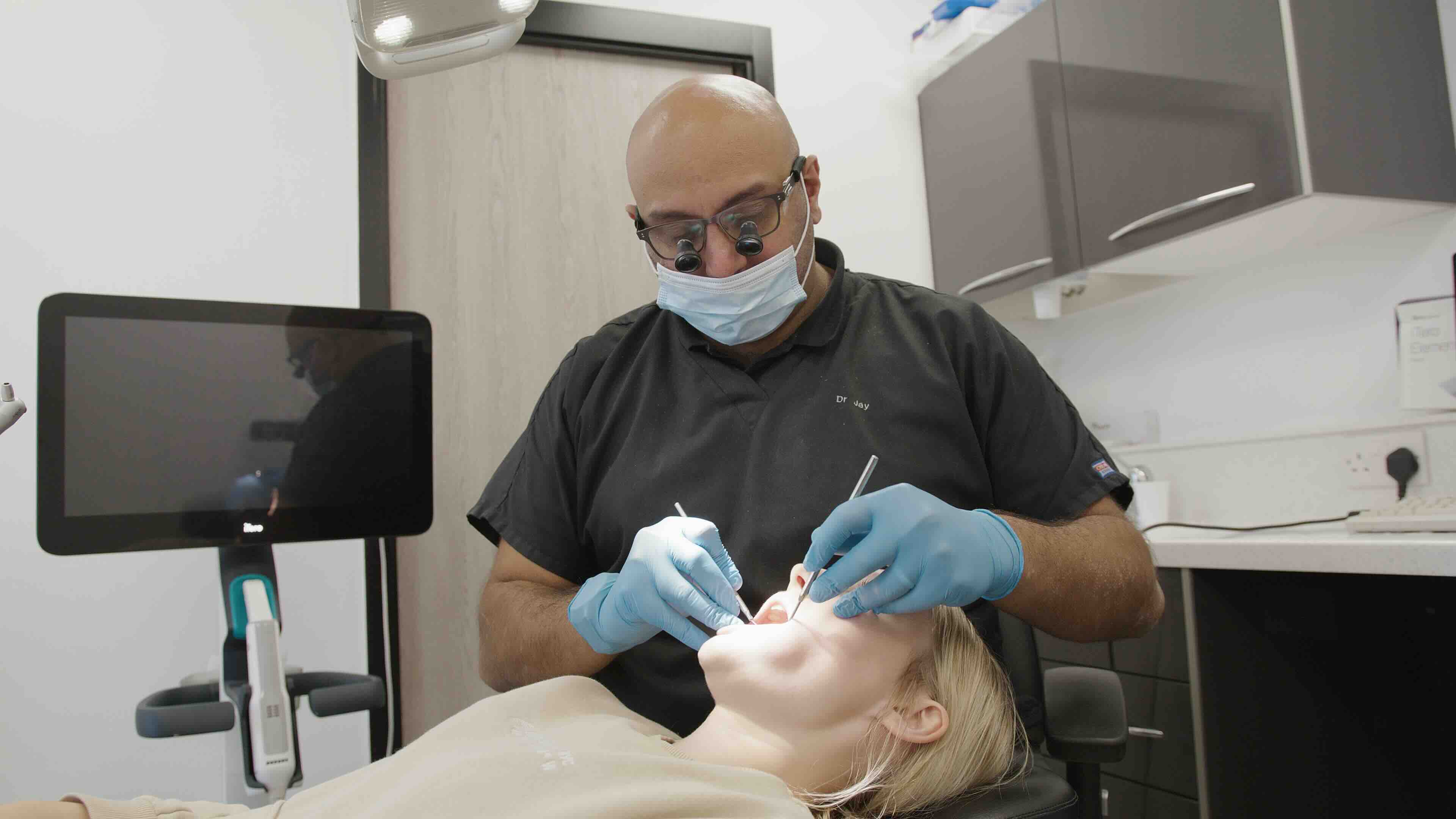
Every implant treatment starts with a thorough assessment, not a surgery date. At your consultation, your dentist will examine your teeth and gums, take a 3D scan of your jaw, and review your medical history. This tells your dentist whether you have enough healthy bone to support an implant, whether any teeth need to come out first, and whether anything else needs treating before surgery can go ahead.
If you're not sure whether you're likely to qualify, our guide to whether you're a dental implant candidate covers the main factors dentists look at.
By the end of this stage, you'll have a written treatment plan setting out exactly what's involved, how many appointments you'll need, and a realistic timeline for your case.
Do You Need Any Preparatory Treatment First?
Not every patient goes straight to implant placement. Depending on what your scan and examination show, you might need one of the following first:
- Tooth extraction, if the tooth you're replacing is still in place but failing
- Bone grafting, if the jawbone at the implant site has thinned from long-term tooth loss
- A sinus lift, for upper back teeth where there isn't enough bone height below the sinus
- Gum disease treatment, since active gum disease needs to be stabilised before an implant can safely integrate
If any of these apply to you, your dentist will build the extra healing time into your overall treatment timeline upfront, so there are no surprises partway through.
What Happens on the Day of Implant Placement Surgery?
This is the step most people are curious, and often a little nervous, about. In reality, it's a controlled and fairly quick procedure for most single-implant cases.
- Local anaesthetic. The area is numbed thoroughly before anything begins. You'll feel pressure during the procedure, but not pain.
- A small opening in the gum. Your dentist creates access to the jawbone at the implant site.
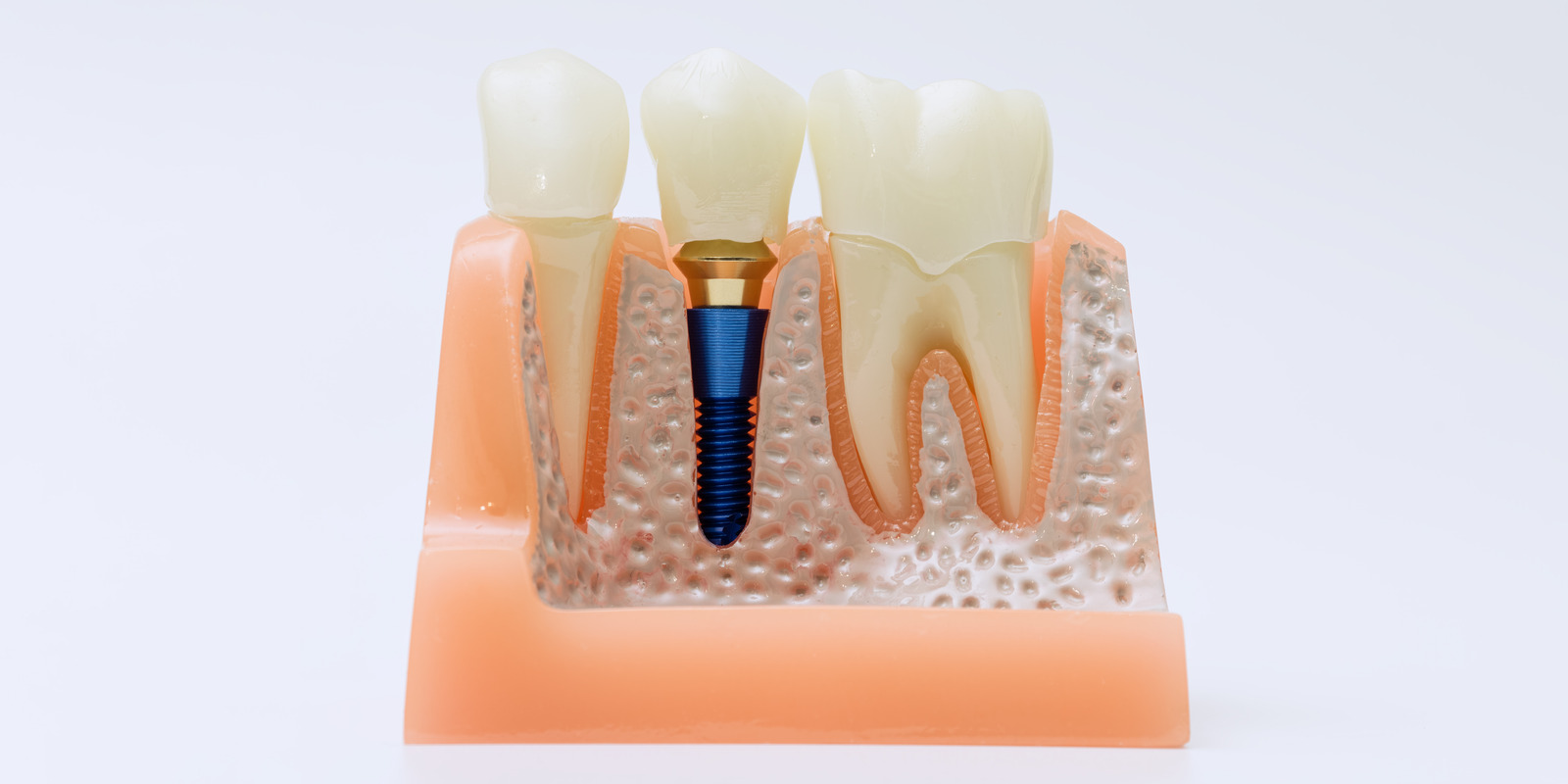
- The implant is placed. A titanium post, about the size of a small screw, is positioned into the jawbone. This will act as the artificial tooth root.
- The gum is closed over or around the implant, depending on your specific case and healing approach.
- A protective cover is fitted while the site heals.
Most single-implant placements take under an hour. If you're having sedation for a more complex case, your dentist will talk you through that separately at your consultation.
Healing and Osseointegration: The Waiting Period
After placement, your implant needs time to fuse with the surrounding jawbone in a process called osseointegration. This is what gives an implant its long-term stability, and it's the reason implant treatment isn't a single-visit procedure.
Healing typically takes three to six months, depending on the individual, the implant site, and whether any bone grafting was involved. During this period:
- Mild swelling, bruising, or tenderness in the first few days is normal
- Most people manage comfortably with over-the-counter pain relief
- You'll have follow-up appointments to check healing is progressing as expected
If you want more detail on what those first days and weeks actually feel like, our guide to dental implant recovery walks through it day by day.
Fitting the Abutment and Final Crown
Once osseointegration is complete and your dentist has confirmed the implant is fully stable, the final stage can begin.
A small connector called an abutment is attached to the implant. Impressions are then taken so your crown, the visible, tooth-shaped part, can be custom-made to match the size, shape, and shade of your surrounding teeth. Once it's ready, the crown is fitted, your bite is checked, and any final adjustments are made.
This is usually the shortest part of treatment in terms of chair time, but it's the moment most patients are looking forward to.
How Long Does the Whole Process Take?
For a straightforward single-implant case with no bone grafting needed, most patients complete treatment within three to six months from placement to final crown. Cases involving bone grafting, sinus lifts, or multiple implants take longer, since extra healing time is built in at each stage.
Your dentist will give you a realistic, case-specific timeline at your consultation rather than a generic estimate, since healing speed genuinely varies between patients.
Will I Be Without a Tooth During Treatment?
Not usually. Depending on where the implant is and your specific case, your dentist can often fit a temporary restoration while the permanent crown is being made, so you're not left with a visible gap during the healing period. This is worth raising directly at your consultation if it's a concern for you.
What Does Implant Surgery Actually Cost?
Surgery is one part of the overall treatment cost, which also includes the consultation, scans, the implant itself, the abutment, and the final crown. For a full breakdown of typical pricing in Wales and what's included at each stage, see our guide to dental implant costs in Wales.
Ready to Take the Next Step?
Understanding the process is often the biggest hurdle. If you're considering dental implants in Llanelli, book a consultation with our team and we'll talk you through exactly what your treatment would involve, with a clear timeline and no surprises.
Lotus Dental Studio, 13 Llwynhendy Road, Llanelli, SA14 9DP · 01554 774 509