Reviewed by Khawaja Jawad Fariduddin, BDS | Lotus Dental Studio
Reading time: 7 minutes
Dental implants are not cheap in the UK, so it is easy to see why packages abroad catch your eye. Turkey is the most talked about, with Hungary, Poland and Spain also popular. The headline prices look far lower, and the trip is often sold as a short break.
This guide is not here to scare you. It sets out what you actually pay, what can go wrong, what UK dentists and regulators say, and which questions to ask before you book anything. Then you can decide with the full picture.
Why do people consider dental implants abroad?
Price is the main reason. A single implant with a crown is a significant cost in the UK, and a full set of teeth costs far more. Overseas clinics advertise packages at a fraction of that, often bundled with flights and a hotel.
Speed is the second reason. Some clinics offer to complete treatment in days rather than months, which suits people who cannot take long gaps between visits.
Both are fair reasons to look. The question is whether the saving holds up once you count everything that comes with it.
How much can you really save?
The advertised price is rarely the whole cost. Before you compare, add up everything that sits outside the package:
- Flights and hotels, and often more than one trip
- Time off work, including recovery days
- Extra nights if you need to stay longer than planned
- Travel insurance that covers planned treatment
- Follow-up appointments in the UK
- The cost of putting things right if the work fails
The NHS advises anyone planning treatment abroad to budget for exchange rates, a longer stay and possible return trips. That advice applies in full to implants, because they are surgery with a long healing period.
If you want a UK figure to compare against, this breakdown of dental implants cost in Wales shows what the price includes and what can change it.
What are the main risks of having implants abroad?
Implants can be placed safely in many countries. The risks come from how treatment is organised and how little room there is to fix problems afterwards.
Is treatment sometimes rushed?
An implant needs time to fuse with the jawbone. Healing is not something a clinic can speed up on your behalf. Treatment squeezed into a few days may leave less time for assessment, planning and checks along the way, so ask exactly how the schedule fits the healing process. This day-by-day look at dental implant recovery shows how long healing normally takes.
Can you get proper follow-up care?
This is the most common problem. Implants need checking after surgery and again once healed. If something feels wrong a few months later, you are at home and the clinic is not.
The NHS checklist for treatment abroad also tells patients to stay in the country long enough to recover before flying home, and to be clear about how aftercare will work.
Does the same regulation apply?
The General Dental Council (GDC) regulates dentists in the UK. It has said plainly that it cannot regulate dentists overseas, and that other countries may not have an equivalent body or the same standards. If something goes wrong, you may have far fewer routes to complain or seek compensation.
Will you have your records and implant details?
If a UK dentist needs to maintain or repair your implants, they need to know which system was used, the size and the surgical notes. Without those records, even simple maintenance can become difficult. Ask for full records and the brand details before you leave.
How common are problems after treatment abroad?
The British Dental Association (BDA) surveyed 1,000 UK dentists about dental tourism. In that survey, 86% said they had treated patients with problems after treatment abroad. Crowns were the treatment most often mentioned, and 85% also named implants as a source of problems. Failing treatment, pain and poorly carried out work were the most reported issues.
Cost came up too. Just over half of those dentists said patients had paid more than £1,000 for repairs, and one in five reported bills above £5,000.
These figures come from dentists who see the patients who return with problems, so they do not tell you how many people have a perfectly good result. They do show that the risk is real enough for the profession to warn about it.
Can a UK dentist fix problems after implants abroad?
Sometimes, but it is not guaranteed. A dentist needs to assess the mouth first, and the answer depends on what was placed, how it has healed and whether records exist. Some problems can be managed. Others need the implant to be removed and the area to heal before anything new is placed.
In the BDA survey, over 40% of dentists said the remedial treatment was provided by the NHS. That does not mean the NHS will replace or redo implant work, which is rarely part of NHS care in the first place.
What should you ask before booking implants abroad?
The GDC suggests a list of questions to put to any overseas provider. These are the ones that matter most for implants:
- What are the surgeon's qualifications, and how many implants do they place?
- Is the dentist registered with a professional body, and is registration compulsory in that country?
- Which implant brand and system will be used?
- What guarantee do you get, and what does it cover?
- Who pays for remedial work if there is a problem?
- Who do you contact after you return home?
- Will you receive full records and the implant details in writing?
- Is a translator provided if you need one?
Tell your own dentist before you go and share your full medical history with the overseas team. Some health conditions, such as diabetes or smoking, change how well implants heal, which is worth checking early. This guide to whether you are a suitable candidate explains the main factors.
Is there ever a good reason to go abroad?
For some people, yes. If you have researched a clinic properly, checked the surgeon's credentials, secured records and aftercare in writing, and accept the risk of travelling for any follow-up, it can be a reasonable decision. Many patients have good results.
The mistake is choosing on price alone. A low package price tells you nothing about the surgeon, the materials or what happens if you need help later.
What does having implants in the UK involve?
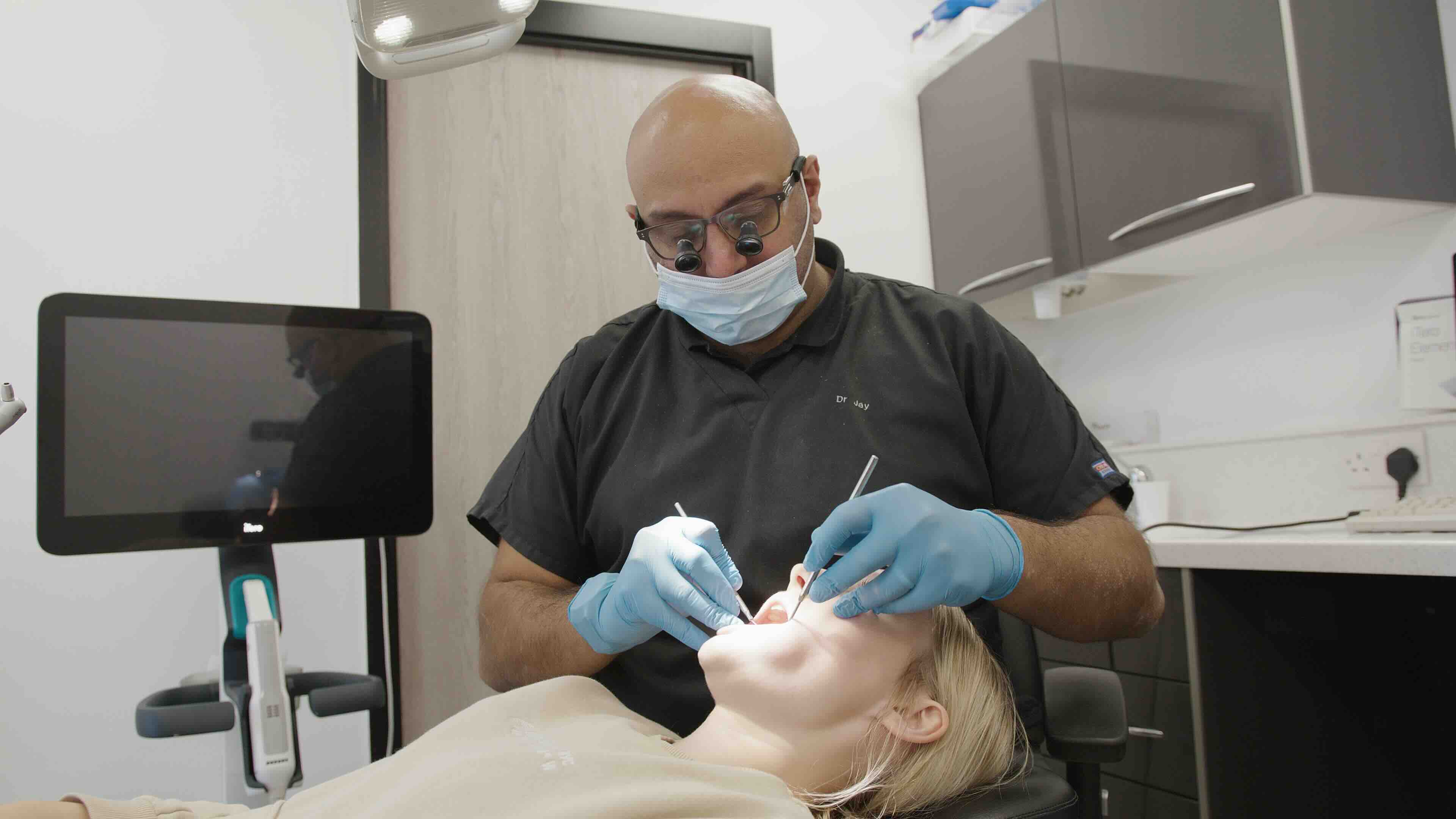
At home, you see the same team for assessment, surgery, healing checks and the final crown. This step-by-step guide to what happens during dental implant surgery shows what each stage involves. If there is a problem, you can be seen in person without booking flights.
At Lotus Dental Studio, implant treatment is led by Dr Madhan Mohan Natarajan, a Fellow of the Royal College of Surgeons. Single implants start from £2,595, and 0% finance is available to spread the cost. You can check current prices on the fees page. Once treatment is complete, regular reviews help protect your investment, and there is more on looking after implants long term.
If you have been putting off a decision because of cost, remember that delay has its own price. A gap can lead to drifting teeth and bone loss, as this explanation of what happens if a missing tooth is left untreated shows.
Want to compare a UK plan with an overseas quote?
Bring any quote you have received and we can talk through it. A consultation gives you a clear assessment, a written plan and a fixed price to compare, with no pressure to go ahead. You can read about implant treatment at the practice or book a consultation.
Sources: GDC: Going abroad for dental treatment, NHS: Treatment abroad checklist, BDA: UK dentists picking up the pieces from dental tourism boom
Lotus Dental Studio, 13 Llwynhendy Road, Llanelli, SA14 9DP · 01554 774 509